

Small-Town Living
Europe and the US: The Similarities and The Differences

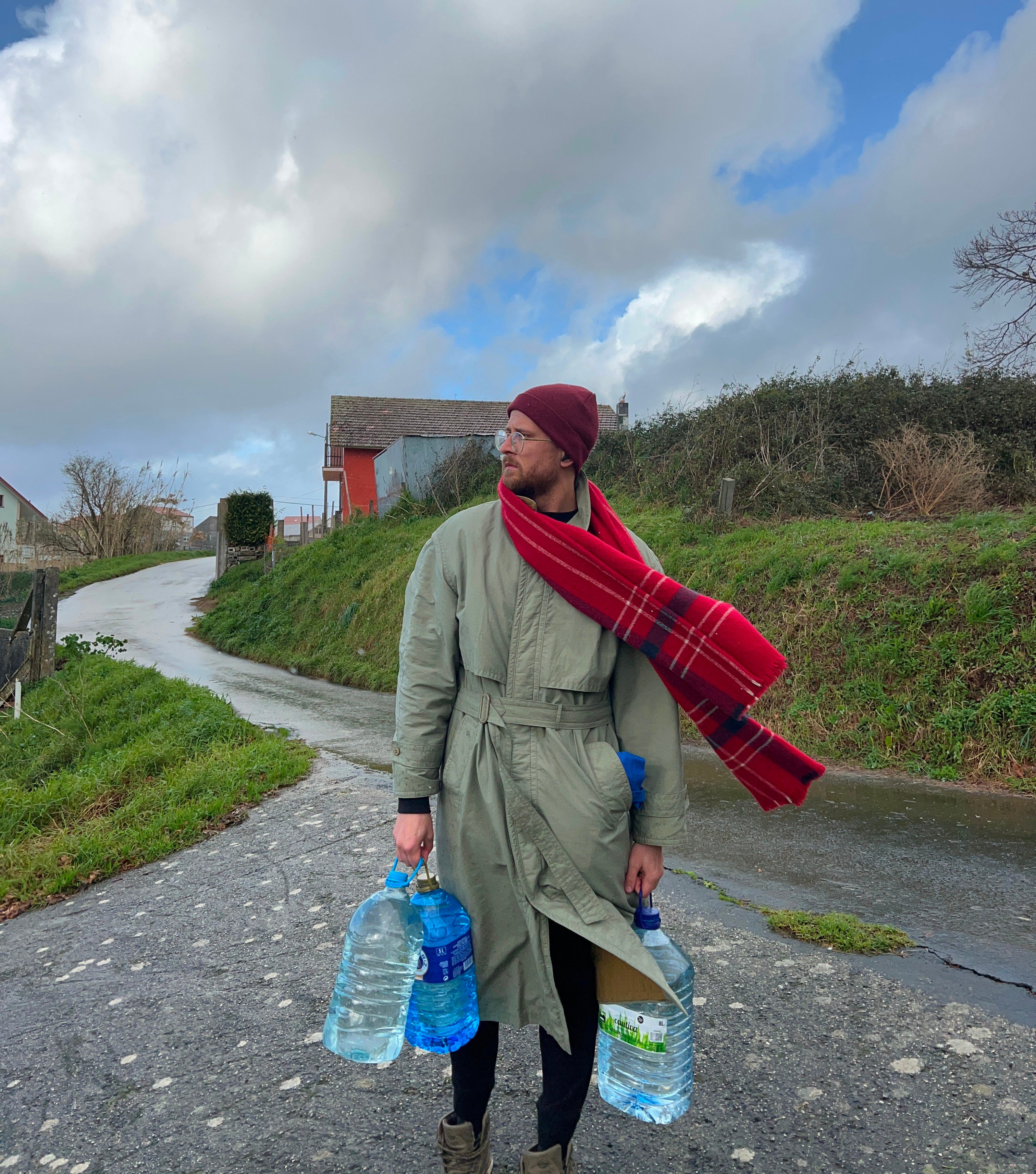
When I’m home in Michigan and making small talk, people often ask what life is like in Europe and how it compares to the States. There’s no easy shorthand way of answering that question. There are obvious differences like more trains or public transportation, more language variation, and 900-year-old churches being a dime a dozen, but there are too many factors, and everywhere is different. A rural Czech village is not Barcelona, just like Miami is not the Upper Peninsula of Michigan. Europe is a diverse mix of cultures, and European countries themselves vary much like the United States.
I like to say that most things about life in both places are parallel, but everything is slightly different over here—a terrible answer, I know.
It’s all the same… but it’s not.
Things are smaller here: the bags of M&Ms, drinks at McDonald’s, city streets, and bathrooms—even the toilets have less water. There are outlets, but the plugs are different. There are cars, but they’re tiny compared to the military-sized vehicles in America. There are well-dressed bankers and supermarkets and beauty queens and hipsters and restaurants and grandmothers crouched in flower beds and WiFi and youth sports practice and life plugging along everywhere you look.
It’s just a slightly different dance than we have in the States.
But big cities differ from small towns in exactly the same way on both sides of the pond. Having spent quality time rurally in Spain, France, and the Czech Republic, I can confidently say they feel like Michigan.
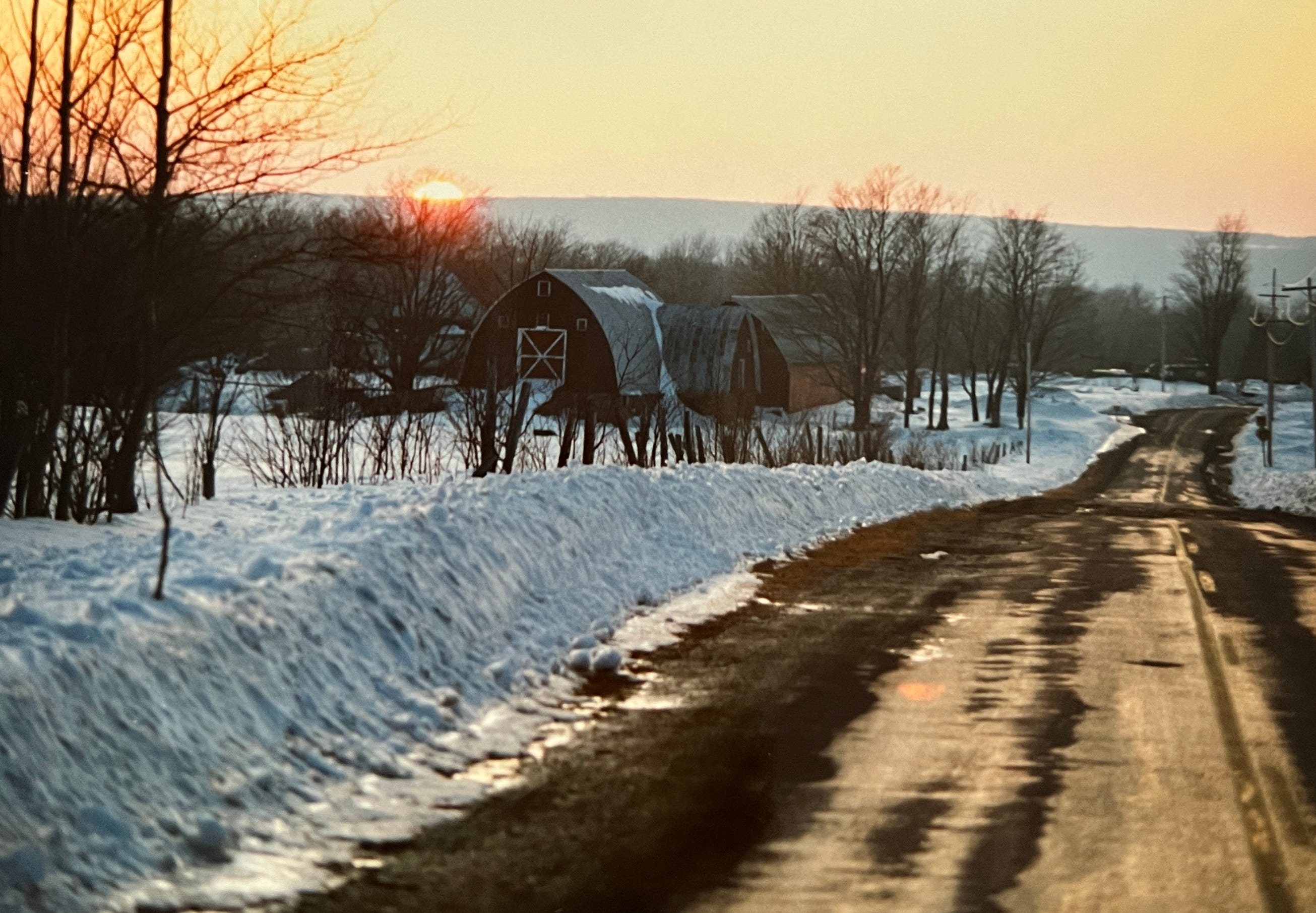
It’s a slower pace of life. There are deep, green forests, rolling fields spotted with stone farmhouses, barns, and grazing cattle. There are one street hamlets with a cluster of houses, slightly bigger yet still tiny villages with a supermarket and a bar or two, and various-sized towns like I live in now (population ~15,000). When wandering through them, it’s common to smell woodsmoke, and I love that because it always reminds me of home.
And one usually needs a car to get around comfortably. Little trains or public buses reach just about every corner of Europe, but they might come every hour at best, sometimes only twice a day.
As Americans, we tend to assume Europeans are more sophisticated in some way, but when it comes to rural living, I think it’s a lot more similar than most realize. A story that exemplifies this perfectly is when I was heading out to the beach once with a Galician friend. We were cruising the coast, a steep, forested hill on our left, the crystal-blue Northern Atlantic on our right as the two-lane road curved in and out of every small bay. The trees on our left stopped, a corn field emerged, my friend nudged me, motioned with his head, and said, “I lost my virginity in that cornfield.” Sure, the guy is fluent in three languages, but what could be more rural American than having one’s first intimate moments lying in a field of cornstalks? Again, when it comes to rural life, I think there are a lot more similarities than differences.
Like in the Upper Peninsula, the blue-collar working-class energy can be felt in rural Europe, although the contractors, plumbers, painters, etc., use vans here rather than pickups. They also dress a bit differently. I see more coverall work suits, whereas Carhartt and Levi’s are for hipsters—that is, of course, true in America as well, but there are also one million working people stateside, like my uncles, who wear those brands unironically.
One of my favorite memories last summer was watching live music in Hancock at the small Orpheum Theatre, which is also a cafe. I returned the next morning for a coffee, and as I left, I ran into the owner, whom I know very well. We stood on the sunny downtown sidewalk chatting, and a truck drove by. I heard, “Hey, Mitch!” and turned to see the singer/guitarist from the night before, whom I also know well, shades on, window rolled down, and extending a hearty wave. I walked back to my car, thinking about how much I love that community vibe.
That feeling can exist everywhere—even in big cities, it’s just harder to create in some places and seems to occur more naturally in smaller towns.
I feel it in the Galician village I currently live in, especially since I lived here before, my roommate is very popular, and I joined the boxing gym. I also go to the municipal pool just about every day to take a sauna and stop at the same supermarket on our block, often more than once a day. I recognize and am friendly with just about all of the employees at those institutions, so anytime I leave my house, there’s a ninety-percent chance I’ll bump into someone, give a friendly “Hola,” or stop and have a conversation.
That happens back home, but I think it occurs more here in rural Spain because the villages are designed differently. There are way more public spaces, or what are called 'third spaces' in urban planning parlance - not home, not work, but a third place to just be and bump into people: plazas, parks, and restaurants with tables outside. So, citizens are casually wandering or just hanging out in town a lot more. I think it’s also because apartment blocks are more common, so more people live in closer proximity and don’t sit in a backyard while their kids play; they go to the plaza and chill with a coffee while children run around playing tag or kick a soccer ball, using a multi-century-old church as an impromptu goal.
It's more common to see elderly people as well. Because the towns are so walkable and have those public spaces, well-dressed grandparents stroll about more or sit on a bench and soak up the sun.
We rural Americans usually put more value on having large amounts of our own personal space, but that means there’s more driving, more parking lots, and more time spent in our own bubble. There’s a famous meme of thirty Europeans getting coffee, and it shows a bustling cafe with patrons sitting at tables on the sidewalk. Then it shows thirty Americans getting coffee, and it’s a picture of a huge line of vehicles going through a drive-thru.
There’s a social media channel I love called The Happy Urbanist by this guy named Jon Wesolowski, where he talks a lot about urban design and how subtle changes affect the way we see, feel, and move about a town. He goes deep: how little shifts in road design slow traffic, making things safer for kids and pedestrians, how sidewalks and storefronts can be made to be more welcoming, what to do with dying strip malls, and how public green spaces and walkable areas foster a greater sense of community.
After watching his channel, I can’t help but analyze a place through his eyes and notice Europe, even the small towns, instinctively follow many of those basic design principles, making cities walkable and centered around people, versus planning things around cars and parking like in America.
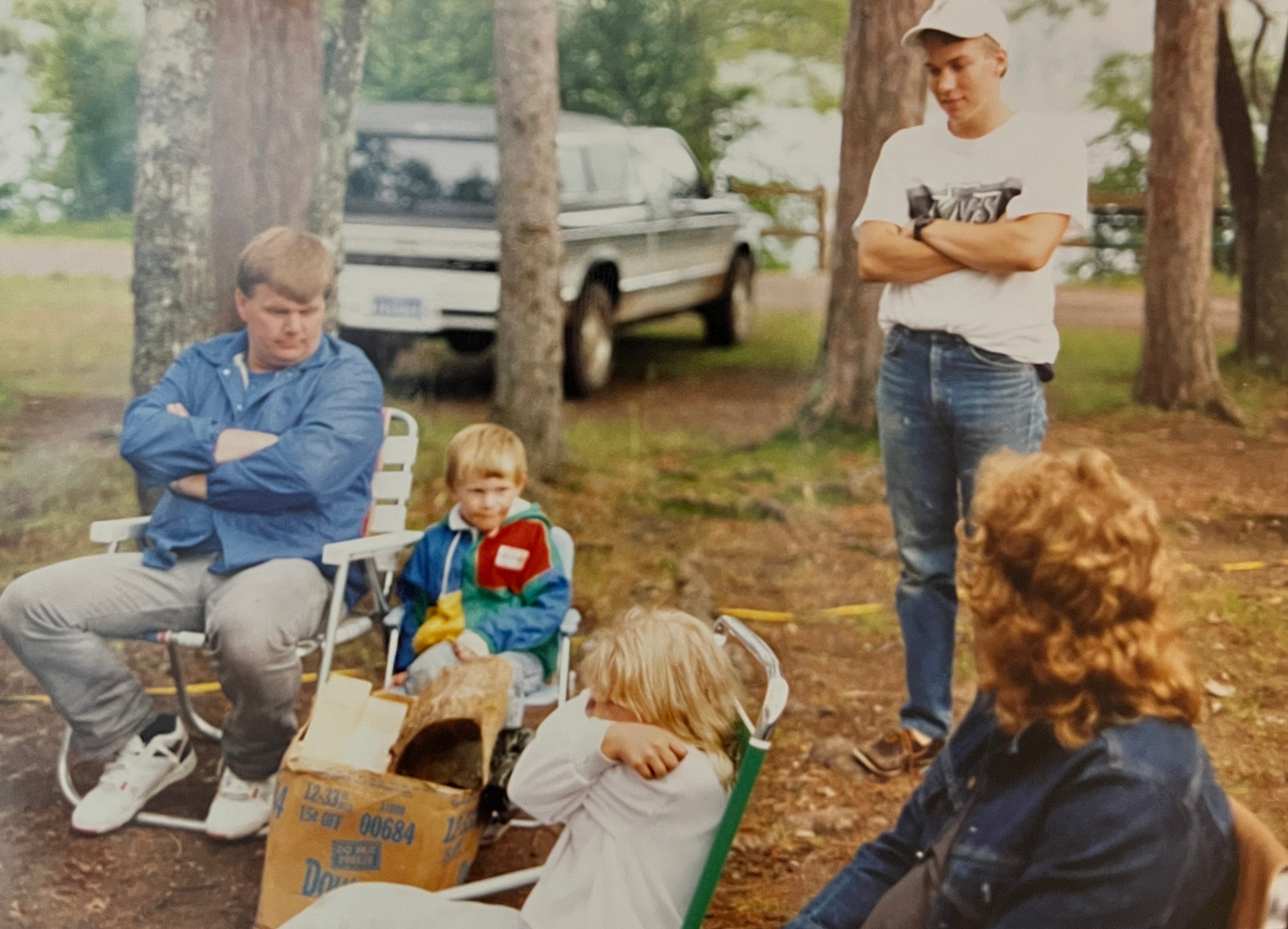
It all adds up to spending more time with community members and building a sense of cohesion, while Americans can be a bit more isolated behind their yard’s fence and their steering wheel. Of course, Americans build that sense of community by going to church, spending a sunny afternoon at the ball field, tenting at public campgrounds, or sitting in bleachers watching a high school sporting event. I also feel the US is shifting a bit, and farmers' markets are booming, there are more street festival-type things, and I love how my hometown of Hancock is routinely doing ‘downtown events’ and getting local businesses and community members to come hang out, eat something delicious, and listen to live music. I love those trends and hope they continue.
Again, having lived rurally on both sides of the Atlantic, I think most things about life are parallel, but everything is slightly different. One is not necessarily better than the other, and the greatest similarity is lovely people.
Most of us are waking up and going to work, clocking out, spending time with loved ones, enjoying a nice cold Coca-Cola, maybe getting intimate in a cornfield, and ultimately trying our best to be a decent member of the community.
The older I get, the more I love and appreciate small-town living, be it back home on the Keweenaw Peninsula or here in Las Rías Baixas.


Happy to stumble upon this post after searching “small town wandering” and to feel so familiar with it. I grew up in Negaunee, live in LA now, and try to harness small town moments to make it feel more lived in. Cheers to the yoop!
While you are describing I'm visualizing Calumet. Your environment sounds close knit, we're, I agree, wide open.